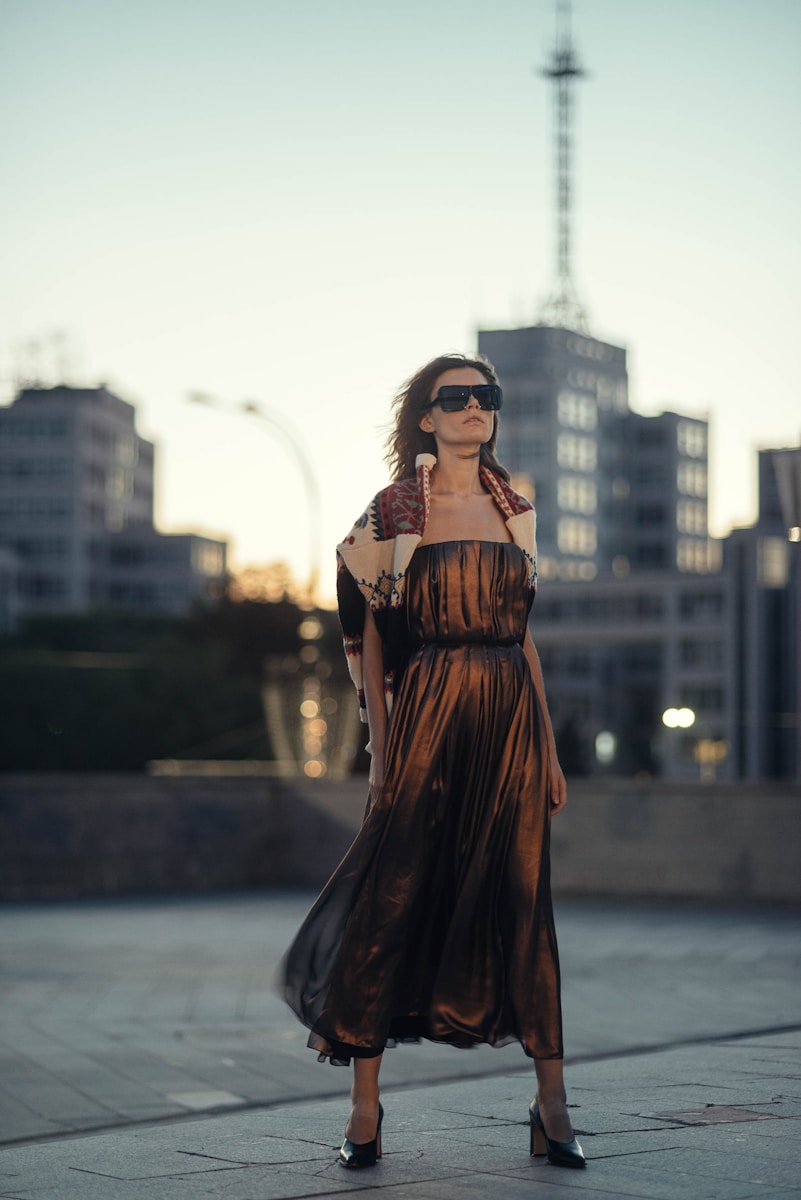
Long before a word is spoken, appearance communicates. The way a person dresses, combines colors, or chooses certain silhouettes sends signals that others instinctively read. Over time, these choices can crystallize into something recognizable and distinct—a visual signature. Personal style, when consistently shaped by intention and experience, becomes more than fashion; it becomes a form of identity made visible. Understanding how this transformation happens reveals the deeper relationship between clothing, self-perception, and social interaction.
Personal style rarely emerges fully formed. In its earliest stages, it is often experimental and influenced by external forces. Trends, peer groups, media, and cultural expectations all play a role in shaping initial choices. Many people move through phases, trying on different aesthetics as they search for what feels authentic. This period of exploration is essential. Without it, style would remain imitation rather than expression. Over time, patterns begin to appear—certain colors feel more natural, certain shapes more flattering, certain garments more empowering. These repeated preferences form the foundation of a visual identity.
Consistency is a key element in turning personal style into a signature. This does not mean wearing the same outfit every day, but rather maintaining a coherent visual language. Just as an artist develops a recognizable way of working, individuals develop recurring elements in how they dress. It might be a preference for tailored pieces, a love of monochrome outfits, or a commitment to bold accessories. These choices, when repeated thoughtfully, create familiarity. Others begin to associate specific looks with a particular person, reinforcing the connection between appearance and identity.
A visual signature is also shaped by lifestyle. Clothing choices are not made in isolation; they respond to daily routines, environments, and responsibilities. Someone who moves frequently between professional and creative spaces may develop a style that balances structure and freedom. Another person may prioritize comfort due to physical demands or personal values. Over time, the most practical choices often become the most defining ones. When clothing supports how a person lives, it becomes an extension of the self rather than a costume worn for effect.
Cultural background plays a significant role in shaping personal style. Traditions, values, and collective aesthetics influence how individuals interpret clothing and presentation. Elements of heritage may appear subtly, through fabric choices, patterns, or accessories that carry symbolic meaning. Even when not consciously emphasized, these influences contribute to the uniqueness of a visual signature. Style becomes a dialogue between individual preference and cultural memory, blending personal expression with shared history.
Emotion and memory also leave their mark on personal style. Certain garments are tied to experiences—moments of confidence, transition, or achievement. Over time, people gravitate toward clothing that evokes those feelings again. A jacket worn during an important milestone or a color associated with a positive period can shape future choices. These emotional connections are often invisible to others, yet they influence consistency and commitment. Style, in this sense, becomes a personal archive, recording moments that shape identity.
As personal style matures, it often becomes more refined. This refinement does not necessarily mean simpler or more expensive, but more intentional. Impulse purchases decrease, and the wardrobe begins to reflect clearer priorities. Individuals become better at recognizing what aligns with their visual identity and what does not. This selectivity strengthens the signature effect. When every piece feels considered, the overall impression becomes stronger and more coherent.
The social impact of a visual signature is subtle but powerful. A recognizable style can create trust and familiarity, especially in professional or creative environments. It signals self-awareness and confidence, suggesting that the individual understands who they are and how they wish to be perceived. This does not mean conforming to expectations; in fact, a strong visual signature often stands out precisely because it resists constant change. It offers a sense of stability in a culture driven by rapid trends.
At the same time, a visual signature is not static. Personal growth, changing circumstances, and evolving values naturally influence style. The difference lies in how these changes are integrated. Rather than abandoning their visual identity, individuals with strong personal style adapt it. New elements are incorporated in ways that remain consistent with the core aesthetic. This flexibility ensures that the signature remains authentic rather than restrictive.
In the digital age, personal style has gained new visibility. Social media platforms amplify appearance, turning everyday outfits into curated images. While this can encourage performance, it also highlights the importance of authenticity. Styles built solely for attention often lack longevity. In contrast, a visual signature grounded in real life and personal meaning resonates more deeply, even through a screen. It feels lived-in rather than staged, recognizable rather than trendy.
Ultimately, personal style becomes a visual signature when it reflects alignment—between inner identity and outer presentation. It is not about perfection or uniqueness for its own sake, but about coherence. When clothing choices consistently support how a person moves through the world, they begin to speak on that person’s behalf. Without explanation, without introduction, others recognize something familiar and distinct.