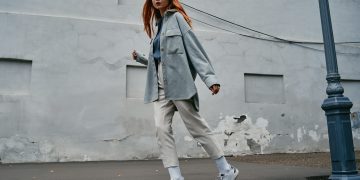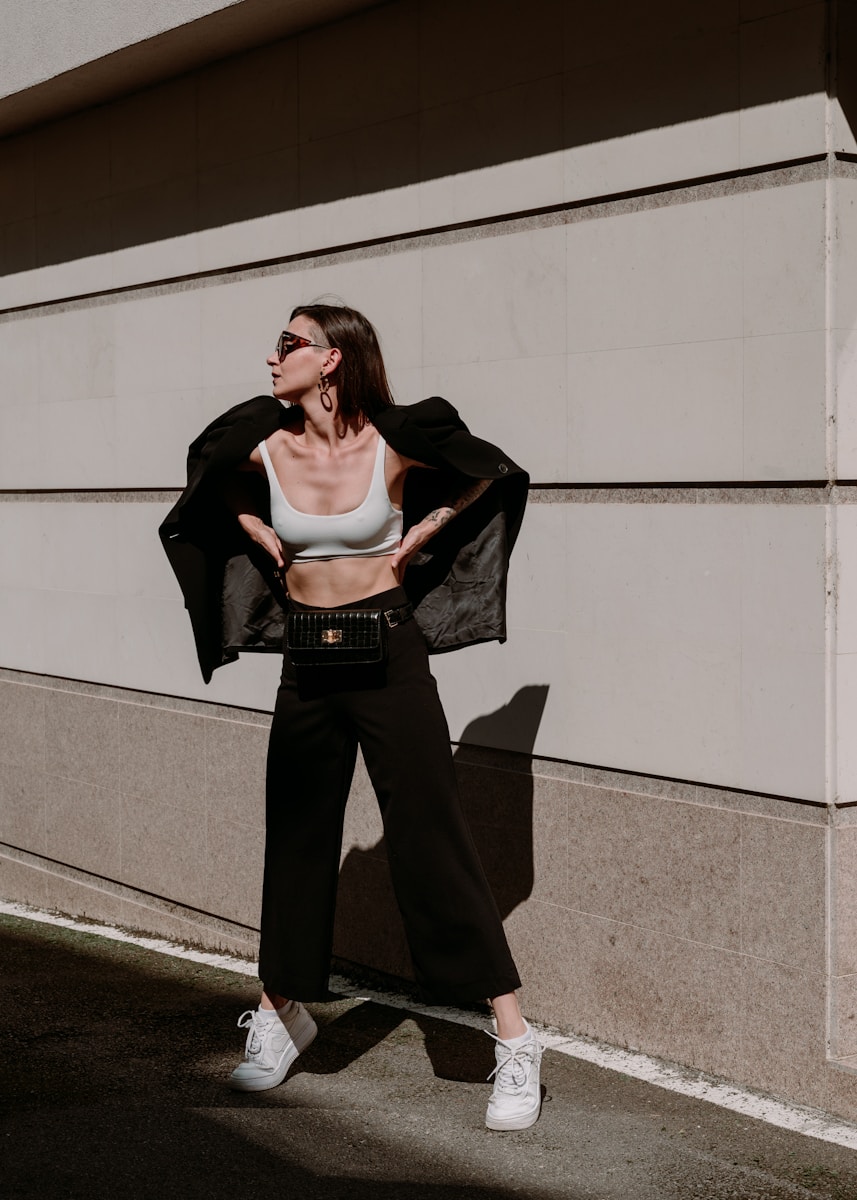
Every day, people make decisions about what to wear that go far beyond practicality. While weather, occasion, and social expectations play a role, mood is often the quiet force guiding these choices. Clothing acts as a mirror for emotional states, translating feelings into visible form. Whether consciously or not, individuals use outfits to express, regulate, or even mask how they feel. In this way, what we wear becomes both a reflection of our inner world and a tool for shaping it.
Emotions influence perception, and perception influences choice. On days marked by confidence or excitement, people may gravitate toward bolder colors, sharper silhouettes, or statement pieces that draw attention. These choices amplify positive feelings, reinforcing a sense of energy and self-assurance. In contrast, moments of introspection, fatigue, or vulnerability often lead to softer fabrics, muted tones, or familiar garments that offer comfort. Clothing becomes a form of emotional self-care, providing reassurance when the internal world feels unsettled.
Color is one of the most immediate indicators of mood in clothing. Bright hues are often associated with optimism, playfulness, or openness, while darker shades can signal seriousness, restraint, or emotional depth. However, these associations are not fixed. A person might choose black during a period of clarity and control rather than sadness, or wear vibrant colors as a way to counteract low spirits. The meaning of color in relation to mood is personal, shaped by memory, culture, and individual psychology.
Texture and material also play a significant role in expressing emotional states. Soft knits, oversized sweaters, and worn-in fabrics are often chosen during times of stress or emotional exhaustion. These materials offer physical comfort that translates into emotional grounding. On the other hand, structured fabrics, crisp lines, and tailored pieces can reflect a desire for order and stability. In moments when life feels chaotic, dressing in a controlled, polished way can provide a sense of balance and readiness.
Silhouette communicates mood through posture and movement. Loose, flowing garments may suggest ease, creativity, or a need for freedom, while fitted clothing can indicate focus, determination, or confidence. Some people use clothing strategically to shift their emotional state. Wearing an outfit associated with competence or success can help cultivate motivation before an important meeting. In this sense, clothing does not merely display mood; it actively participates in shaping it.
There is also a social dimension to how outfits convey emotion. Clothing sends signals to others, often faster than words. A relaxed, casual outfit may invite approachability, while a more formal or dramatic look can create distance or authority. People sometimes adjust their dress to manage how much of their emotional state is visible to others. When feeling vulnerable, they may choose neutral or understated clothing to avoid attention. When feeling expressive, they may dress in ways that invite interaction and conversation.
Mood-based dressing is not always about transparency. Sometimes clothing serves as armor. During periods of anxiety or insecurity, individuals may dress in ways that project confidence or professionalism, even if those feelings are not fully present. This external presentation can act as a protective layer, helping individuals navigate social situations with greater ease. Over time, the act of dressing confidently can influence internal feelings, blurring the line between expression and transformation.
Routine also affects the relationship between clothing and mood. Familiar outfits can create emotional stability, especially during times of change or uncertainty. Wearing a “go-to” outfit can reduce decision fatigue and provide a sense of control. Conversely, intentionally changing one’s style can mark emotional transitions. A new haircut, different color palette, or shift in silhouette often accompanies moments of renewal, signaling a change in mindset as much as in appearance.
Cultural expectations shape how moods are expressed through clothing. Some societies encourage emotional restraint, reflected in subdued dress codes, while others celebrate expressiveness through color and embellishment. These norms influence how individuals interpret their own clothing choices and the emotional messages they send. Understanding this context helps explain why the same outfit can be read differently across environments, even if the wearer’s mood remains constant.
In the digital age, the relationship between outfit and mood has become more visible and more complex. Social media encourages curated self-presentation, sometimes distancing appearance from authentic emotional states. People may dress not only for how they feel, but for how they want to be perceived online. This can create tension between internal emotion and external image. At the same time, it offers opportunities for intentional expression, using style as a creative outlet during emotional highs and lows alike.
Ultimately, what an outfit says about mood is rarely singular or simple. Clothing can reflect how we feel, influence how we feel, and shape how others respond to us—all at once. It operates at the intersection of emotion, identity, and environment. Recognizing this relationship allows individuals to use clothing more consciously, not as a mask to hide behind, but as a tool for communication and care.