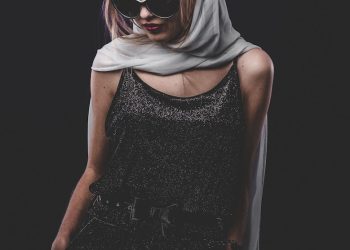
Clothing is often treated as a practical necessity or a visual statement, but beneath its surface lies a quieter, more intimate function: emotional expression. What people wear is deeply connected to how they feel, how they want to feel, and how they hope to be understood. Style operates as an emotional language—one that can reveal vulnerability, confidence, grief, joy, resistance, or calm without requiring words. Wearing feelings is not about dressing dramatically every day; it is about the subtle and constant dialogue between inner states and outward appearance.
Emotions are notoriously difficult to articulate. Many feelings exist in shades rather than clear definitions, making verbal expression challenging. Clothing offers an alternative route. Through color, texture, silhouette, and choice, individuals externalize emotions that might otherwise remain internal. A soft oversized sweater may communicate a need for comfort or protection. Sharp tailoring can signal control or determination. Bright colors might express optimism or defiance, while muted tones can reflect introspection or fatigue. These choices are rarely random; they are often instinctive responses to emotional states.
From an early age, people learn to associate clothing with feelings. Certain outfits become tied to specific memories—celebrations, losses, achievements, transitions. Over time, garments carry emotional residue. Wearing them again can recreate or soothe past feelings, functioning almost like emotional anchors. This is why people often reach for familiar clothes during stressful periods. The fabric itself may not change circumstances, but it provides a sense of continuity and grounding. In this way, style becomes a form of emotional self-care.
Color plays a particularly powerful role in emotional expression. Cultural meanings shape how colors are interpreted, but personal associations often matter more. Someone may gravitate toward black during periods of grief or introspection, finding clarity in its restraint. Another may choose vibrant hues when seeking energy or reassurance. Importantly, emotional dressing is not always literal. A person feeling low may wear bright colors as an act of resistance or self-encouragement. Style can express not only how someone feels, but how they wish to feel.
Texture and material are equally expressive. Soft fabrics tend to evoke comfort, intimacy, and safety, while structured materials suggest strength and control. Flowing silhouettes can feel freeing or vulnerable, whereas rigid shapes may provide a sense of armor. These sensations are experienced physically, not just visually. Clothing sits on the body all day, constantly interacting with skin and movement. This tactile relationship reinforces the emotional feedback loop between clothing and wearer.
Style as emotional expression also exists in contrast. People do not always dress to match their emotions; sometimes they dress against them. This tension can be intentional. Someone experiencing anxiety may choose clean, simple outfits to regain a sense of order. Another person feeling anger may opt for understated clothing to avoid confrontation. In these cases, style becomes a regulating force, helping individuals manage emotions rather than simply display them.
Social context complicates emotional dressing. While clothing expresses feeling, it is also interpreted by others through cultural and social lenses. Not all emotions are considered acceptable to display publicly, and clothing choices often reflect this constraint. Professional environments, for example, tend to favor emotional neutrality. Yet even within these limits, people find ways to signal mood—through small details, accessories, or subtle variations. A choice of shoes, a piece of jewelry, or the way a garment is worn can quietly communicate emotional states without overt declaration.
Fashion history is filled with examples of collective emotional expression. Periods of austerity, rebellion, or optimism often shape dominant styles. After moments of crisis, clothing may become more restrained or functional. During times of cultural liberation, it often becomes expressive and experimental. These shifts reveal that style is not only personal, but shared. Societies, like individuals, wear their feelings through fashion.
Designers frequently tap into this emotional dimension, whether consciously or not. Collections often emerge from emotional responses to the world—uncertainty, nostalgia, hope, frustration. When designers successfully translate these feelings into garments, audiences respond on an emotional level, even if they cannot articulate why. A collection may feel comforting, unsettling, or empowering because it resonates with collective emotion. This connection explains why fashion can feel deeply personal even when it is mass-produced.
However, emotional expression through style is not without tension. Social media has intensified the pressure to curate emotions visually. Outfits are often photographed and shared, transforming private emotional expression into public performance. This can distance people from authentic feeling, encouraging them to dress for perception rather than self-understanding. Yet, it can also provide space for emotional honesty, allowing people to express moods and identities that might otherwise be suppressed.
Authentic emotional dressing requires self-awareness. It involves listening to internal states and responding honestly, rather than defaulting to habit or expectation. This does not mean dressing dramatically or changing style constantly. Emotional expression can be quiet and consistent. A person’s recurring style choices often reveal long-term emotional patterns—preferences for simplicity, structure, softness, or boldness. Over time, these patterns form a visual emotional vocabulary.
Importantly, wearing feelings is not about seeking attention or validation. It is about alignment. When clothing aligns with emotion, people often feel more grounded and present. This alignment can affect posture, movement, and interaction, subtly shaping how others respond. When there is a disconnect—when clothing feels imposed or inauthentic—discomfort often follows. The body senses the mismatch even if the mind rationalizes it.