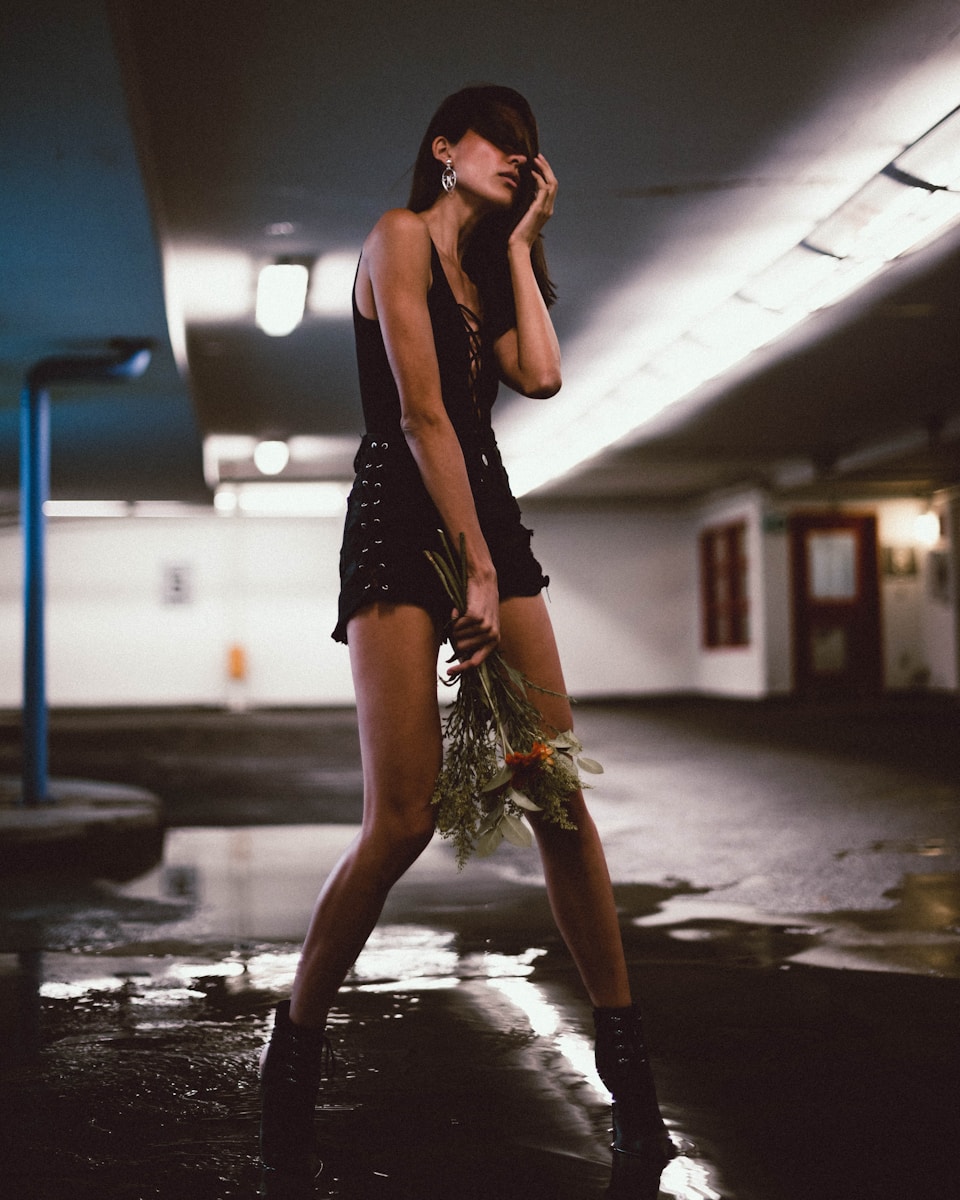
Modern fashion exists in a state of constant noise. New collections drop weekly, trends rise and collapse overnight, social media feeds overflow with images, opinions, and demands for attention. In this environment, visibility is often treated as the ultimate goal. Designers are expected to be louder, faster, and more provocative with every season. Yet, within this relentless clamor, a counter-movement has emerged—one that values restraint, subtlety, and intentional absence. Designing silence in a noisy fashion world is not about withdrawal or passivity; it is about reclaiming meaning through thoughtful reduction.
Silence in fashion does not imply emptiness. Rather, it represents space—space for the wearer to breathe, interpret, and connect. Just as silence in music allows sound to carry emotional weight, quiet design allows garments to speak without shouting. In an industry driven by spectacle, choosing simplicity becomes a radical act. It challenges the assumption that relevance depends on constant novelty and instead suggests that longevity can be built through clarity and purpose.
At its core, designing silence begins with resisting excess. Many contemporary collections rely on visual overload: bold graphics, layered references, exaggerated silhouettes, and rapid-fire storytelling. While these approaches can be powerful, they often leave little room for reflection. Silent design, by contrast, embraces editing. Designers who work this way ask difficult questions about necessity. Does this detail add meaning, or is it simply decoration? Does this color enhance the garment’s intent, or distract from it? Through this process, clothing becomes more focused and deliberate.
Minimalism is often associated with silence, but the two are not identical. Minimalism can be a style, while silence is an attitude. A silent garment may still be complex, textured, or richly constructed, but its complexity is internal rather than performative. Seams, proportions, and materials carry the narrative instead of logos or obvious statements. The wearer may not immediately notice everything, but over time, the garment reveals its intelligence. This slow discovery stands in contrast to fashion designed for instant consumption.
Material choice plays a central role in quiet design. Fabrics with natural texture—wool, linen, silk, cotton—invite touch and close observation. They age, crease, and respond to the body, reinforcing a sense of intimacy. Loud fashion often prioritizes visual impact from a distance, while silent fashion rewards proximity. The experience becomes personal rather than broadcasted. In this way, the garment forms a private relationship with the wearer, one that does not require external validation.
Color is another powerful tool in designing silence. Muted palettes, tonal layering, and thoughtful contrasts can communicate emotion without overwhelming the eye. Neutral shades are often misunderstood as boring or safe, but when used skillfully, they create depth and mood. A slightly warm gray, a faded black, or an off-white with texture can carry as much emotional weight as vibrant color, if not more. These choices suggest confidence—a designer who does not need to rely on shock to be heard.
Silence in fashion also reflects a philosophical stance toward time. The industry’s current pace encourages disposability, with garments designed to be worn briefly and replaced quickly. Quiet design resists this cycle by emphasizing durability and relevance beyond trends. When clothing is not tied to a specific moment or viral aesthetic, it can exist across seasons and years. This timelessness does not mean stagnation; rather, it allows for evolution without erasure. Each new piece builds on an existing language instead of abandoning it.
There is also an ethical dimension to designing silence. Overproduction and overconsumption are among the fashion industry’s most pressing problems. Loudness often correlates with waste—excess inventory, unnecessary variations, constant reinvention. Designers who embrace restraint are more likely to produce thoughtfully, reducing quantity in favor of quality. Silence, in this sense, becomes a form of responsibility. It acknowledges that not everything needs to be made, released, or promoted at maximum volume.
The role of the wearer becomes especially important in quiet fashion. Loud garments often dictate how they should be perceived, leaving little room for interpretation. Silent garments, on the other hand, invite participation. They adapt to different bodies, contexts, and personalities. A simple coat can appear formal or casual depending on how it is worn. A pared-back dress can feel powerful, fragile, or introspective based on the wearer’s presence. This openness respects individuality rather than overshadowing it.
In a noisy fashion world dominated by branding, silence also challenges the obsession with visibility and status. Logos, collaborations, and recognizable aesthetics are designed to be seen and identified instantly. Silent design questions whether recognition must always come from external symbols. Instead, it suggests that confidence can exist without constant affirmation. This approach does not reject identity, but it reframes it—identity becomes something felt rather than displayed.
Technology and social media complicate the pursuit of silence. Platforms reward bold imagery and rapid engagement, making quiet design harder to communicate. Yet, this challenge has pushed some designers to rethink presentation itself. Instead of flashy campaigns, they may use subdued visuals, slower storytelling, or limited releases. These strategies do not compete directly with noise; they sidestep it. By doing so, they attract audiences who are tired of being overwhelmed and are seeking depth over distraction.
Importantly, designing silence is not about elitism or detachment. It is not an escape from reality, but a response to it. In a world saturated with information, attention becomes precious. Quiet fashion respects this by asking less and offering more. It does not demand to be noticed; it earns attention through integrity. This approach aligns fashion more closely with lived experience, where meaning often emerges in subtle moments rather than dramatic gestures.