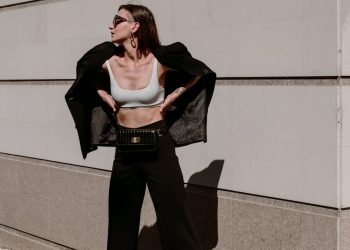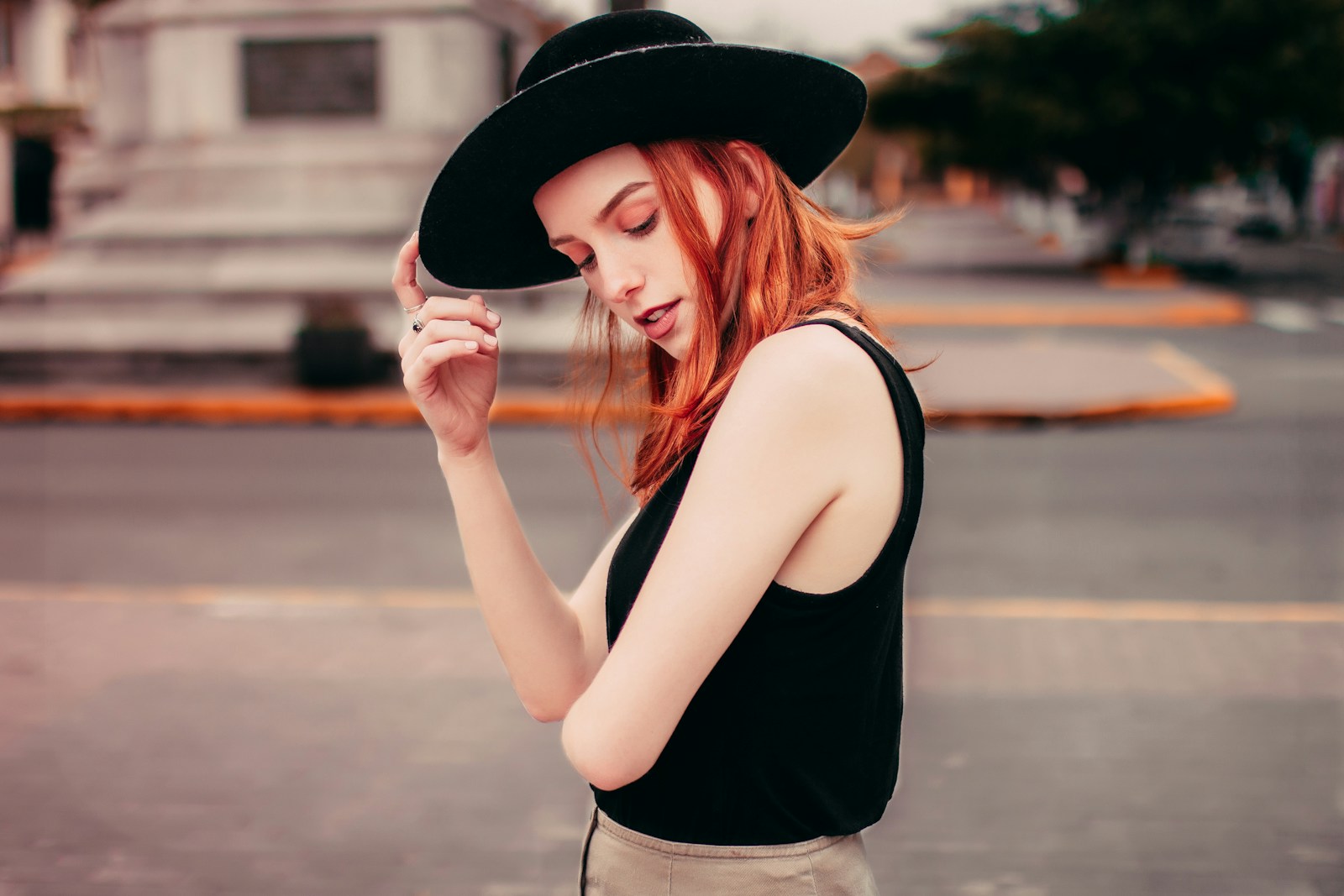
Clothing is often treated as a superficial choice, something selected quickly in front of a mirror or influenced by trends and practicality. Yet beneath this everyday act lies a complex psychological process. What people choose to wear is deeply connected to how they feel, how they want to feel, and how they wish to be perceived. Emotional dressing—the practice of selecting clothing based on internal states rather than external rules—reveals how fashion operates as a silent dialogue between the mind, the body, and the world.
From early childhood, clothing becomes linked to emotion. A favorite sweater may feel comforting, while a particular outfit might evoke confidence or embarrassment tied to past experiences. These associations form through memory and repetition. The brain learns to connect certain textures, colors, or silhouettes with emotional outcomes. Over time, dressing becomes a coping mechanism as much as a social one. People instinctively reach for clothes that help regulate mood, whether consciously or unconsciously.
Psychologists describe clothing as an extension of the self. This idea suggests that what we wear does not merely cover the body but participates in shaping identity. When someone feels uncertain or vulnerable, they may choose neutral, familiar garments that offer psychological safety. On days marked by confidence or ambition, bolder choices often emerge. This shift is not accidental. Clothing acts as emotional armor or amplification, depending on the needs of the moment.
One key concept behind emotional dressing is “enclothed cognition,” a theory suggesting that clothing influences not only how others perceive us but also how we perceive ourselves. Wearing a tailored jacket can encourage focus and authority, while soft, loose fabrics may promote relaxation. The symbolic meaning attached to garments—formal, casual, playful, serious—feeds back into mental states. In this way, dressing becomes a feedback loop between emotion and behavior.
Color plays a particularly powerful role in emotional dressing. Psychological studies and cultural traditions alike recognize that colors evoke emotional responses. Dark tones are often associated with introspection or seriousness, while bright colors can signal energy or optimism. When individuals feel low, they may gravitate toward muted palettes, either reflecting their mood or seeking calm. Conversely, choosing vibrant colors during difficult times can be an intentional act of emotional resistance, using clothing to shift internal states rather than mirror them.
Texture and fit also influence emotional experience. Tight or restrictive clothing can heighten stress or self-consciousness, while soft, breathable fabrics tend to promote comfort and ease. This is why many people associate home clothing with relaxation and security. The physical sensation of clothing interacts with the nervous system, affecting how the body responds to its environment. Emotional dressing, therefore, is not only visual but tactile, rooted in the body as much as the mind.
Social context adds another layer to the psychology of emotional dressing. People often adjust what they wear based on anticipated emotional demands. A job interview outfit is chosen not only to impress others but to steady nerves and project confidence inward. Clothing becomes a tool for emotional preparation, helping individuals step into roles that may not yet feel natural. In this sense, dressing can act as rehearsal, allowing the wearer to embody a desired emotional state before fully experiencing it.
At the same time, emotional dressing can be reactive. During periods of grief, anxiety, or uncertainty, people may lose interest in clothing altogether or repeatedly wear the same items. This behavior reflects emotional withdrawal and a need for familiarity. Rather than signaling apathy, it often indicates that emotional energy is being conserved. Clothing choices become simplified because the mind is occupied elsewhere.
Cultural expectations influence how emotional dressing is expressed. Some societies encourage emotional expression through dress, while others promote restraint. In environments where uniformity is valued, emotional dressing may take subtle forms—small accessories, color choices, or personal details. In more expressive cultures, emotion may be worn openly through dramatic silhouettes or unconventional combinations. Regardless of context, the underlying psychological function remains the same: clothing serves as a bridge between inner experience and outer presentation.
The rise of social media has intensified the emotional dimension of dressing. Outfits are no longer seen only by those physically present but by digital audiences. This visibility can heighten emotional stakes, turning clothing into a performance of mood and identity. People may dress aspirationally, projecting confidence or happiness they do not fully feel, or they may embrace vulnerability through more honest, unpolished styles. In both cases, clothing becomes a narrative device, shaping how emotions are communicated and interpreted.
Retail environments and marketing strategies often tap into emotional dressing. Brands associate garments with feelings rather than functions—freedom, empowerment, comfort, or belonging. Consumers are not just buying clothes; they are buying emotional experiences and promises. While this can lead to overconsumption, it also highlights a fundamental truth: people use clothing to manage emotional needs, not just practical ones.
Importantly, emotional dressing is not inherently shallow or manipulative. It can be a form of self-care and self-understanding. Becoming aware of why certain clothes feel right at certain times allows individuals to make more intentional choices. Dressing with emotional awareness can support mental health by providing stability, confidence, or comfort when needed. Acknowledging this connection encourages compassion toward oneself and others, recognizing that clothing choices often reflect unseen emotional landscapes.
However, challenges arise when emotional dressing becomes constrained by external pressure. When people feel forced to dress in ways that contradict their emotional state—due to professional norms, social expectations, or economic limitations—tension can develop. This disconnect may contribute to feelings of inauthenticity or emotional fatigue. Understanding the psychology behind emotional dressing highlights the importance of flexibility and personal agency in how people present themselves.