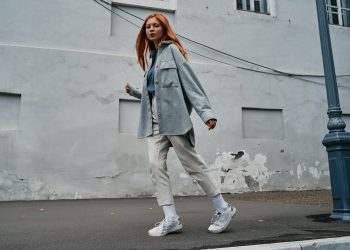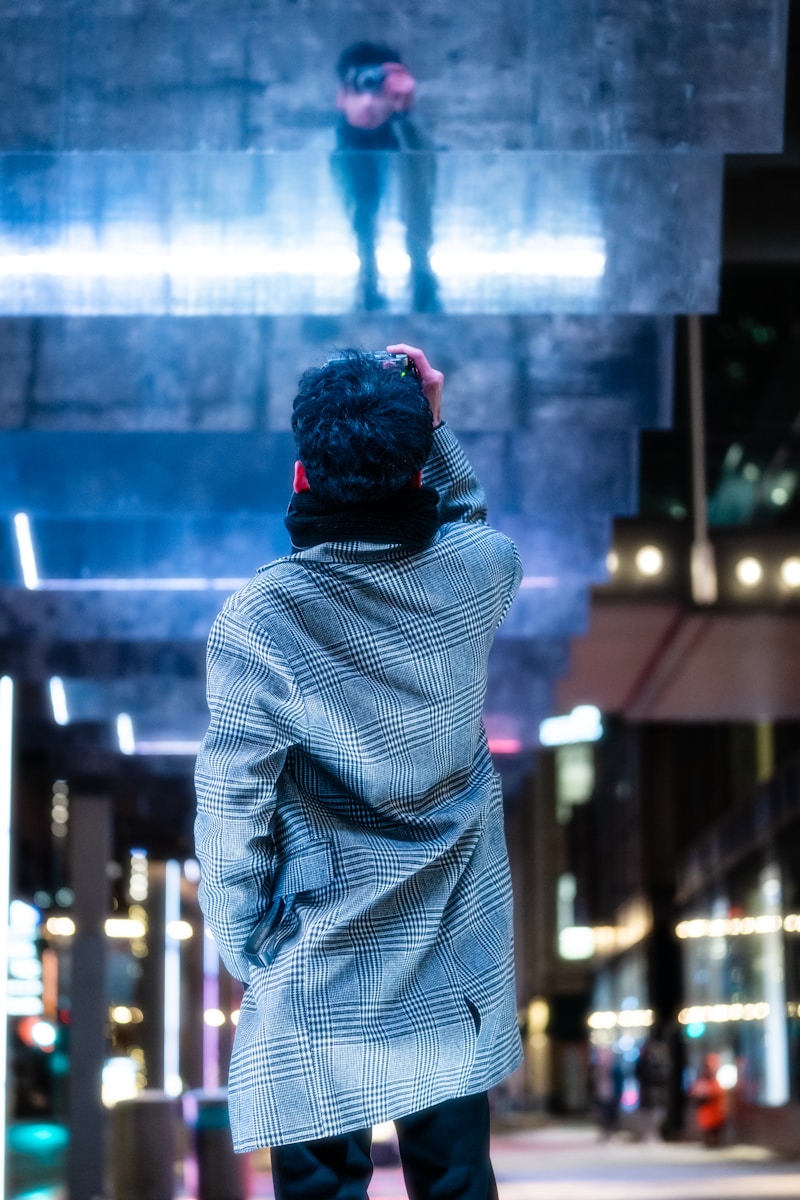
Clothing is one of the most immediate ways people present themselves to the world. Long before a conversation begins, outfits communicate signals about personality, values, and social positioning. While fashion is often treated as trend-driven or superficial, it plays a much deeper role in shaping visual identity. Through daily choices—sometimes deliberate, sometimes intuitive—individuals build a recognizable image that reflects who they are and how they wish to be perceived. In this sense, clothing becomes a personal language, translating internal identity into visible form.
Visual identity through clothing does not emerge overnight. It develops gradually, influenced by experience, environment, and self-awareness. Early in life, clothing choices are often shaped by family, culture, and availability. Over time, as people gain independence, style becomes a tool for exploration. Trying different silhouettes, colors, or aesthetics allows individuals to test how they feel in various visual roles. Some combinations resonate, while others feel inauthentic. Through this process of experimentation and refinement, a more cohesive visual identity begins to take shape.
Consistency plays a key role in building a recognizable personal style. This does not mean wearing the same outfit every day, but rather developing a set of visual elements that recur. These might include preferred color palettes, favored fabrics, or signature accessories. When repeated thoughtfully, such elements create familiarity. Others begin to associate certain looks with a particular individual, reinforcing identity through repetition. Over time, this consistency communicates confidence and self-knowledge, suggesting that style choices are intentional rather than random.
At the same time, visual identity through clothing is not static. As people change, their style often evolves alongside them. Shifts in career, lifestyle, or personal values can all influence how one chooses to dress. A student’s wardrobe may prioritize experimentation and affordability, while a professional might lean toward structure and clarity. Rather than weakening identity, these changes can strengthen it by reflecting growth and adaptation. A strong visual identity allows room for evolution without losing coherence.
Context also matters. Clothing choices are shaped by social and cultural environments, and visual identity often adjusts accordingly. What someone wears to work may differ from how they dress in personal spaces, yet both can reflect the same underlying values. For example, an individual who values simplicity might express it through tailored workwear and relaxed, neutral casual clothing. In this way, visual identity is not about uniformity across all settings, but about maintaining a recognizable core across different contexts.
Color is one of the most powerful tools in building visual identity. Certain colors evoke emotional responses and cultural associations, and repeated use of specific tones can become a defining feature of personal style. Some people gravitate toward muted palettes that suggest restraint and calm, while others favor bold hues that signal energy and openness. The key lies not in following color trends, but in understanding how colors interact with personality, environment, and purpose. When chosen intentionally, color becomes a form of nonverbal communication.
Silhouette and fit are equally important. The way clothing interacts with the body shapes perception as much as color or pattern. Loose, flowing garments may suggest ease and creativity, while structured pieces can communicate authority or precision. Developing awareness of silhouette helps individuals choose clothing that aligns with how they want to feel and be seen. Over time, certain cuts may become central to one’s visual identity, offering both comfort and recognition.
Material and texture add another layer of meaning. Natural fibers, technical fabrics, or handcrafted textiles each carry different associations. Someone who prioritizes sustainability may favor durable, responsibly sourced materials. Another person might be drawn to innovative textiles that reflect interest in technology or design. These choices, while subtle, contribute to a richer and more nuanced visual identity. They signal values not through words, but through tactile presence.
Building a visual identity through clothing also involves editing. Just as important as choosing what to wear is deciding what no longer fits—physically or symbolically. Letting go of garments tied to outdated versions of oneself creates space for clarity. This process requires reflection and honesty, asking whether an item supports or dilutes the image one wishes to project. Editing does not reduce individuality; it sharpens it, allowing identity to emerge more clearly.
Influences such as media, peers, and cultural trends inevitably play a role in shaping style. However, a strong visual identity is not defined by imitation. Instead, it involves selecting influences selectively and adapting them to personal context. Borrowing elements without losing self-direction allows individuals to remain culturally aware while staying authentic. Visual identity thrives when inspiration is filtered through personal experience rather than copied wholesale.
Ultimately, building a visual identity through clothing is an ongoing conversation between self-perception and external expression. It requires attention, intention, and willingness to evolve. Clothing becomes more than a response to trends or social expectations; it becomes a tool for alignment. When what is worn reflects what is valued, style gains depth and coherence.